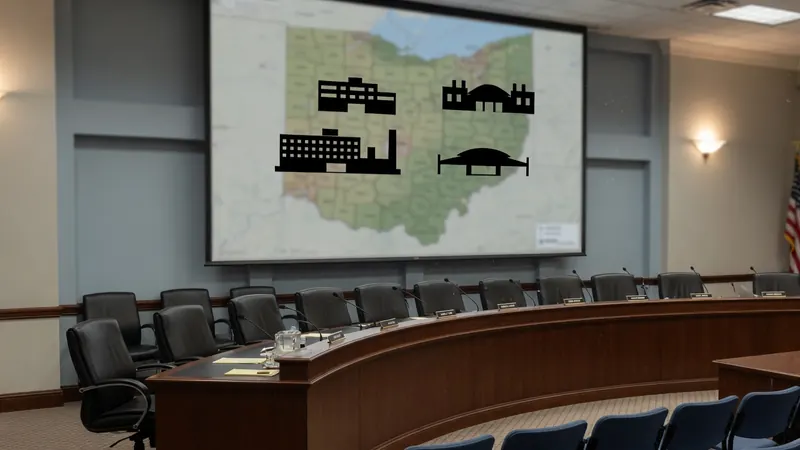
Ohio lawmakers are studying a proposal that would bar online casino operators from offering promotional credits that can only be used inside an app or website. Instead, those bonuses would have to be redeemable at one of Ohio’s 11 casinos or racinos, according to State Rep. Brian Stewart. The measure, House Bill 298, is intended to reduce brick-and-mortar operators’ fear of losing customers to digital play and could yield about $400 million a year in state tax revenue, supporters estimate.
How promotions would push players toward retail properties
At a September 18 panel held by the iDevelopment and Economic Association, Stewart said regulators could tell operators that online-only promotional credits would not be permitted, while credits tied to a land-based casino would be. The comments were reported by Covers. The aim is to make an online bonus function as an incentive to visit a physical property, rather than a reward that keeps customers at home.
Possible rewards outlined by Yardbarker include free slot play that can only be used at a casino or racino, hotel discounts or stays, food and beverage credits, entertainment offers, and other perks connected to an in-person visit. Supporters say the structure would route online marketing money toward tourism, dining, and lodging rather than letting digital-only promotions pull players away from retail gaming.
Limiting licenses to existing casinos and racinos
Under the proposal, only Ohio’s current casinos and racinos would be eligible for online licenses, according to Card Player. Stewart argues those businesses have spent heavily in Ohio, employ thousands of workers, and bring visitors through entertainment and other amenities, so their support is necessary for any bill to move. He warned that a measure that quickly becomes a turf war among gaming interests would have no chance of passing.
Stewart pointed to sports betting, where FanDuel and DraftKings relied on wider national reach, heavy promotional budgets, and deeper financial resources to take much of Ohio’s online sportsbook market, while local companies struggled to match those bonus offers. Major operators such as Caesars, Hard Rock, and PENN Entertainment already run casinos in Ohio, and many operate unified loyalty programs across retail and online channels, the Covers report notes.
Revenue estimate and proposed tax structure
Stewart said estimates tied to the proposal show iGaming could bring in as much as $400 million in annual state revenue. Sports betting has produced about $600 million in cumulative revenue for the state since the market opened on January 1, 2023, but online casino games generally deliver far more to operators and state tax collections than sportsbooks, according to Covers. The projected iGaming revenue has drawn attention from Republican lawmakers who want to phase out Ohio’s income tax.
House Bill 298 would tax internet gambling receipts at 28%. After administrative costs, 99% of the remaining revenue would flow to the General Revenue Fund and 1% would support the Problem Gambling Fund. The initial license fee would be $50 million, and renewals would cost $10 million. The Ohio Casino Control Commission would regulate the market, according to a Yardbarker summary of the bill’s Legislative Service Commission analysis.
Legal status, governor race, and industry objections
House Bill 298 was introduced in May 2025 and remains a proposal rather than an enacted law. Ohio does not currently permit real-money online slots, table games, or live dealer casino play. Supporters note that residents can cross into Michigan, Pennsylvania, or West Virginia to access regulated online casinos, while Ohio receives none of the tax revenue from that activity.
Political and industry obstacles remain. Gov. Mike DeWine is term-limited and will leave office in 2027. Democrat Amy Acton has expressed support for legalization if strong consumer protections and responsible gaming resources are in place, while Republican Vivek Ramaswamy has said any gambling expansion would need to be done responsibly and protect Ohioans, Card Player reported. On the industry side, Churchill Downs Incorporated, which holds a 50% stake in Miami Valley Gaming, and Jack Entertainment are members of the National Association Against iGaming and have opposed further online casino growth.